Bathroom Remodeling in Conejo Valley: Planning, Costs and Design Ideas
A successful bathroom remodel is not simply a collection of attractive finishes. It requires careful planning around layout, plumbing, lighting, ventilation, waterproofing, storage, and daily use. For homeowners considering bathroom remodeling in Conejo Valley, the best results come from balancing design goals with the existing conditions of the home.
Whether the project is located in Westlake Village, Thousand Oaks, Agoura Hills, or another nearby community, a professional evaluation should happen before final materials, pricing, or construction decisions are made.
Start With the Way the Bathroom Will Be Used
Before choosing tile or fixtures, determine who will use the bathroom and what is not working in the current space. A primary bathroom may prioritize comfort, storage, and a larger shower, while a family bathroom may require durable finishes, a bathtub, and easy-to-clean surfaces.
Important questions include:
- Does the existing layout function comfortably?
- Is more storage needed?
- Should the bathtub remain or be replaced with a shower?
- Are there accessibility or aging-in-place considerations?
- Is the lighting sufficient at the vanity and inside the shower?
- Are moisture, ventilation, or plumbing problems present?
Answering these questions early helps prevent expensive changes after construction begins.
Evaluate Existing Conditions Before Finalizing the Design
Older homes may contain concealed conditions that affect the remodeling plan. Once walls or flooring are opened, contractors may discover deteriorated plumbing, outdated electrical wiring, water damage, insufficient ventilation, or framing that needs correction.
A bathroom remodel should account for these possibilities without assuming that every hidden component must be replaced. The scope should be based on actual conditions, applicable requirements, and the homeowner’s long-term plans for the property.
Decide Whether the Existing Layout Should Change
Keeping plumbing fixtures in their existing locations can reduce complexity, but it is not always the best design decision. Moving a toilet, shower, bathtub, or vanity may create a more comfortable layout and improve circulation, especially in bathrooms with awkward or inefficient configurations.
Layout changes may require additional plumbing, electrical, framing, waterproofing, and permit coordination. The benefit should therefore justify the added work. A thoughtful design-build process compares both options before construction begins.
Plan the Shower as a Complete Waterproofing System
A beautiful shower depends on what is installed behind the tile. Proper preparation may include a sloped shower base, approved waterproofing materials, correctly detailed corners and penetrations, and careful installation around niches, benches, curbs, and glass attachments.
Design decisions should also consider:
- Shower size and entry width
- Fixed or handheld shower fixtures
- Placement of controls
- Built-in niches or shelving
- Bench location
- Drain style
- Frameless or framed glass
These details should be coordinated before rough plumbing and tile installation.
Choose Tile for Performance as Well as Appearance
Large-format tile can create a clean, contemporary appearance with fewer grout lines. Smaller tile may provide additional traction on shower floors and make it easier to form the required slope toward the drain.
Natural stone can offer a distinctive luxury look, but it may require sealing and more maintenance than porcelain. The appropriate material depends on the installation location, slip resistance, maintenance expectations, budget, and desired style.
Tile layout should be planned in advance so that cuts, transitions, niches, and focal walls appear intentional.
Create Useful Vanity Storage
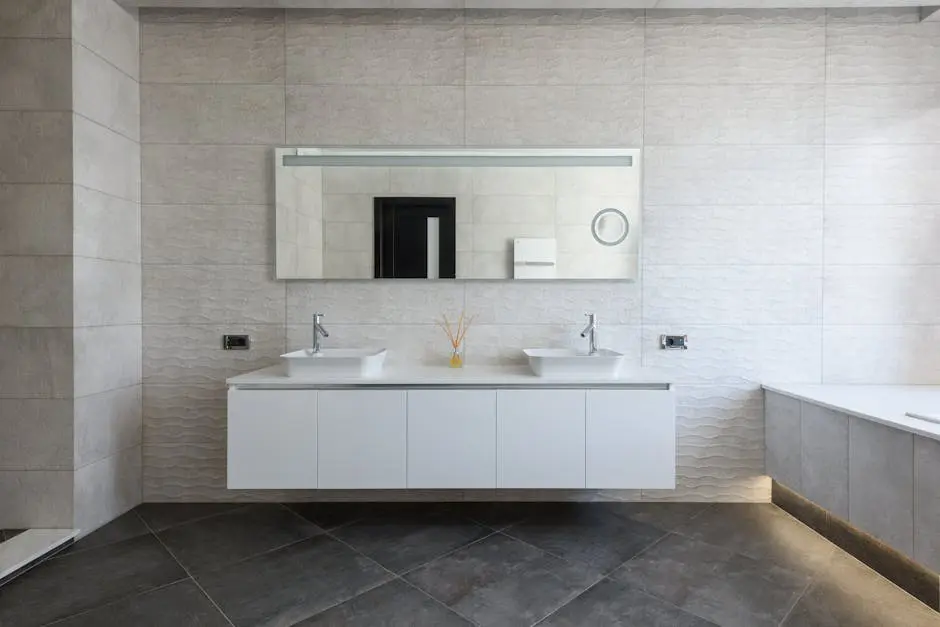
A vanity should support the daily routine of the homeowner. Drawers often provide easier access than deep cabinets, while built-in outlets can help organize grooming appliances. Medicine cabinets, recessed storage, linen towers, and floating vanities can also improve functionality.
The size of the vanity must be coordinated with door swings, toilet clearances, plumbing locations, mirrors, lighting, and nearby walls. Selecting a vanity based only on appearance can create installation problems later.
Use Layered Bathroom Lighting
One ceiling fixture is rarely sufficient for a well-designed bathroom. Layered lighting may include general illumination, vanity lighting, shower-rated fixtures, decorative lighting, and low-level night lighting.
Vanity lighting should reduce shadows on the face, while shower and bathtub areas require fixtures appropriate for their locations. Dimmer controls can provide flexibility between bright task lighting and a calmer evening atmosphere.
Coordinate Fixtures and Finishes
Faucets, shower trim, cabinet hardware, lighting, mirrors, and accessories do not need to match perfectly, but they should feel intentional. Mixing finishes can work when one finish is dominant and the secondary finish is repeated consistently.
Plumbing fixtures should also be selected early enough to confirm compatibility with rough plumbing components. Waiting until the end of the project can create delays or force compromises.
Do Not Overlook Ventilation
Effective ventilation helps control moisture, protect finishes, and improve indoor comfort. The exhaust fan should be selected and located according to the size and configuration of the bathroom, with proper ducting to the exterior where required.
A quiet, appropriately sized fan is more likely to be used consistently than a loud or ineffective unit. Ventilation planning is especially important in bathrooms with enclosed showers, limited windows, or repeated moisture problems.
Consider Comfort and Accessibility
Accessibility features can be incorporated without making the bathroom look institutional. Options may include a curbless or low-threshold shower, wider entries, reinforced walls for future grab bars, handheld shower fixtures, comfortable bench seating, and improved lighting.
Planning these features during a full remodel is usually easier than adding them after the bathroom is completed.
What Affects Bathroom Remodeling Costs?
The cost of bathroom remodeling in Conejo Valley depends on more than the room’s square footage. Major cost drivers may include:
- The condition of the existing plumbing and electrical systems
- Changes to the layout
- Shower size and waterproofing details
- Custom cabinetry and storage
- Tile selection and installation complexity
- Plumbing fixtures and decorative finishes
- Glass enclosures
- Structural or water-damage repairs
- Permit and inspection requirements
- Site access and construction logistics
A reliable proposal should clearly define the included labor, rough materials, finish-material responsibilities, allowances, exclusions, and anticipated inspections. Comparing only the bottom-line price can hide important differences in scope.
Permits and Inspections
Permit requirements depend on the work being performed and the local jurisdiction. Projects involving plumbing, electrical, mechanical, structural, or significant layout changes may require permits and inspections.
The project team should confirm applicable requirements before construction begins. This helps protect the homeowner and reduces the risk of delays, failed inspections, or corrective work.
Build a Realistic Construction Plan
A bathroom remodel involves multiple trades working in a specific sequence. Demolition is followed by any necessary framing, plumbing, electrical, ventilation, inspections, wall preparation, waterproofing, tile, cabinetry, countertops, fixtures, glass, paint, and final details.
Material selections should be completed early, particularly for products with longer lead times. A clear schedule and consistent communication help keep the project organized when unexpected conditions arise.
Work With a Coordinated Design-Build Team
The strongest bathroom projects align design, budget, materials, permits, and construction before work begins. Upfront Remodeling provides coordinated planning and construction for homeowners throughout Los Angeles, the San Fernando Valley, and nearby Conejo Valley communities.
Learn more about our bathroom remodeling services, explore our project gallery, or contact Upfront Remodeling to discuss your project.